

🇺🇸 22 Boston Wharf Rd, Boston, MA 02210
🇬🇧 2 Pear Tree Court, London EC1R 0DS
© 2026, Juro. All rights reserved.


🇺🇸 22 Boston Wharf Rd, Boston, MA 02210
🇬🇧 2 Pear Tree Court, London EC1R 0DS
© 2026, Juro. All rights reserved.

A well-drafted and managed sickness policy is crucial for modern businesses. It ensures the well-being of employees, smooth business operations, and legal compliance.



"It takes the sales team four clicks to generate and approve a contract in Juro. We're saving 25 minutes per contract."
Read Paddle's customer story >

Chris McFalls,
Rev Ops
"With Juro, approvals take less than two hours, and most contracts are fully signed within a day of being sent"
Read Goldin’s customer story >

Kyle Piper,
Contracts Manager
"Everyone works out of Juro - it's the key tool we use to do our job"
Read ANC’s customer story >


Use this free sickness policy template to get started today.
Ensure that both employees and employers understand their rights and responsibilities when it comes to illness. Workplace dynamics are always changing, especially in the wake of global health crises, so having a clear sickness policy is more crucial than ever.
But what exactly is a sickness policy, who needs one, and how can you draft one effectively?
Read on to find out, and grab our free sickness policy template above.
A sickness policy outlines the procedures and guidelines for employees who are unable to attend work due to illness. It provides clarity on how sickness absences should be reported, the documentation required and the support available to employees during their absence.
This type of policy ensures that both employers and employees understand their rights and responsibilities when it comes to sickness absence.
It should cover aspects like sick pay, notification procedures, and return-to-work processes. A well-drafted and monitored sickness policy template can help manage and reduce absences, ensuring that businesses can operate smoothly even when employees are unwell.
Sickness policies are important for a number of reasons, including for:
Having a sickness policy in place is one thing, but knowing when and how to implement it is another. During the new employee onboarding, it's essential to introduce the sickness policy to make sure new hires understand their rights and responsibilities.
It's also important to regularly review and update the sickness policy during annual reviews to maintain its relevance and ensure compliance with any legal modifications. Equally, when an employee reports being sick, it's advisable to consult the policy to handle the situation in the most effective manner.
Typically, the HR department, in consultation with legal counsel, drafts and manages the sickness policy. However, input from team leaders and managers can also be invaluable, as they often have firsthand experience with managing sickness absences.
Below are some of the key aspects needed in a sickness policy.
A notification procedure. Outline how and when employees should report their absence.
Accurate documentation. Specify if medical certificates or other documentation are required and when.
Sick pay. Detail the company's sick pay policy, including any statutory sick pay entitlements.
Return-to-work. Describe the process for returning to work, including any return-to-work interviews or phased returns.
Support and adjustments. Highlight any support available to employees, such as counseling or workplace adjustments.
Long-term sickness. Address procedures for managing long-term sickness and potential interventions.
Disciplinary procedures. Clarify the consequences of not following the sickness policy or if there's suspicion of misuse.
Covering these essential points creates a safe environment for employees and their employers to discuss sickness openly.

That said, this isn’t always easy to create.
The free template above is written with the following in mind:
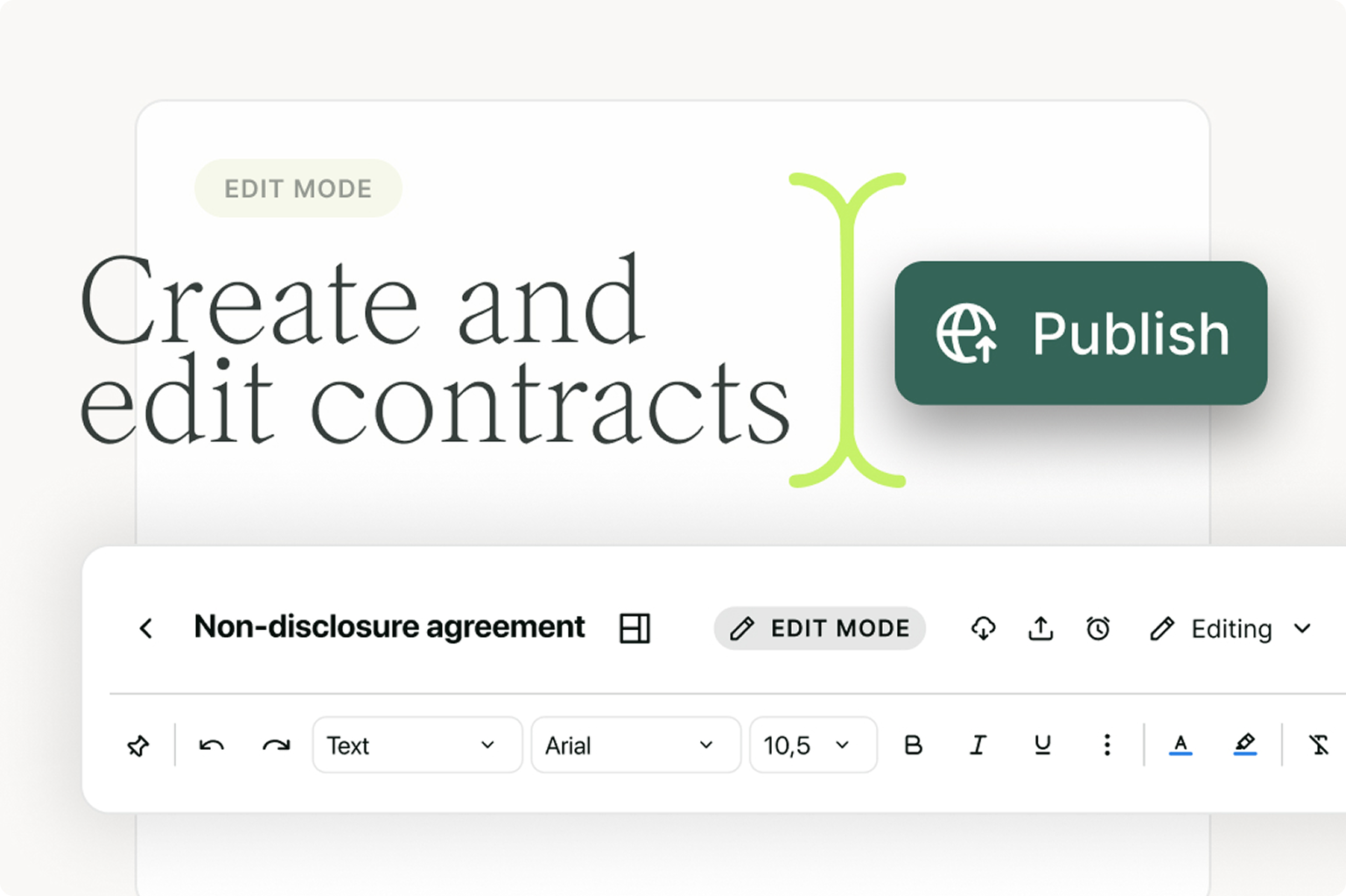
HR documents like employment contracts, amendments, stock option grants, NDAs and termination agreements can be painful for HR teams to manage - particularly as the business grows.
That's why modern businesses often choose to automate these documents from templates, using an AI-enabled contract automation solution like Juro. By handling routine paperwork this way, people and talent teams free up time that could be better spent on landing great candidates and implementing new procedures.
For more information, check out our customer case studies, or get in touch below to talk to a Juro specialist today.
A sickness policy template is a ready-made document that sets out how your business handles staff illness, which you adapt to your own approach and local law. It explains how employees report an absence, what evidence they need, what they're paid while off and how they return to work.
In many countries there's no general legal requirement to have a written sickness policy, but employers still have to follow the sick pay and leave rules that apply to them. Even with a handful of staff, a short written policy means everyone knows how to report an absence and what they'll be paid, so each absence is handled the same way.
Many employers put the basic sick pay entitlement in each employee's contract or offer letter and keep the day-to-day procedures in the policy. That way you can update reporting steps without changing every contract, while the pay terms stay fixed unless both sides agree to change them.
It depends on where they work and what you choose to offer. Many places set a legal minimum, such as statutory sick pay in the UK or the paid sick leave laws in some US states and cities, and employers can pay more. Your policy should state how much you pay and for how long, so staff aren't left guessing when they're unwell.
Usually, but the rules on when you can ask vary. In the UK, for example, employees can normally self-certify for the first seven days, and some US states and cities only let employers ask for documentation after a set number of days off. Put the trigger in the policy and apply it the same way to everyone.
It's a sound starting point, but sick pay and leave rules differ by country, and in the US by state and city, so check the policy against the rules where your staff work. For specific legal advice on your contract templates, consult an attorney.
Build your sickness policy in Juro as a template once and generate versions from it for each team or country, with HR filling in the details that change, like local sick pay rules. When the law or your approach changes, you update that one template and every new version follows it. Signed documents sit in one searchable place, so you can see which version of the policy applied to an employee and when.
Yes. Juro's Operator can draft a new policy template like this one using what it learns from your existing contracts and HR documents, including your drafting style and the positions you usually take on sick pay and notice. Your legal team approves the first draft before anyone uses it, so it reflects your risk appetite.
Answer
Juro is the #1-rated contract platform for speed of implementation — connect your CRM, automate templates, and close deals without the paperwork.
Book a personalised demo

Hello. We are Juro Online Limited (known by humans as Juro). Here's a summary of how we protect your data and respect your privacy.