


🇺🇸 22 Boston Wharf Rd, Boston, MA 02210
🇬🇧 2 Pear Tree Court, London EC1R 0DS
© 2026, Juro. All rights reserved.


🇺🇸 22 Boston Wharf Rd, Boston, MA 02210
🇬🇧 2 Pear Tree Court, London EC1R 0DS
© 2026, Juro. All rights reserved.

Use this mutual lease termination agreement when both parties, the landlord and the tenant, wish to terminate the lease before its expiration.



"It takes the sales team four clicks to generate and approve a contract in Juro. We're saving 25 minutes per contract."
Read Paddle's customer story >

Chris McFalls,
Rev Ops
"With Juro, approvals take less than two hours, and most contracts are fully signed within a day of being sent"
Read Goldin’s customer story >

Kyle Piper,
Contracts Manager
"Everyone works out of Juro - it's the key tool we use to do our job"
Read ANC’s customer story >


Lease agreements are common in the world of real estate and business. However, there are times when both parties, the landlord and the tenant, may wish to terminate the lease before its expiration.
This is where a mutual lease termination agreement comes into play. Let's delve deeper into this type of contract.
A mutual lease termination agreement is a legal document that allows both the landlord and the tenant to end a lease contract before its stipulated expiration date. This agreement ensures that both parties mutually agree to the terms of ending the lease, including any financial settlements, return of deposits, or other conditions.
Such agreements are beneficial when both parties have a change in circumstances or have mutually agreed that continuing the lease is not in their best interest. They provide a structured way to end the lease without any disputes or legal complications.

There are several scenarios where a mutual lease termination agreement might be helpful:
When drafting a mutual lease termination agreement, it's essential to be clear and specific. Here are some elements that should be included:

There are numerous benefits to using a lease termination agreement, including:
A mutual lease termination agreement is a valuable tool for both landlords and tenants. It provides a structured and amicable way to end a lease, ensuring that both parties' interests are protected.
If you're considering terminating a lease, it's always a good idea to consult with legal counsel to ensure that all legal requirements are met.

Contract automation software can streamline the tedious tasks associated with drafting and managing mutual lease termination agreements.
Juro's AI-enabled platform offers businesses the tools to handle these agreements faster, thanks to the following features:
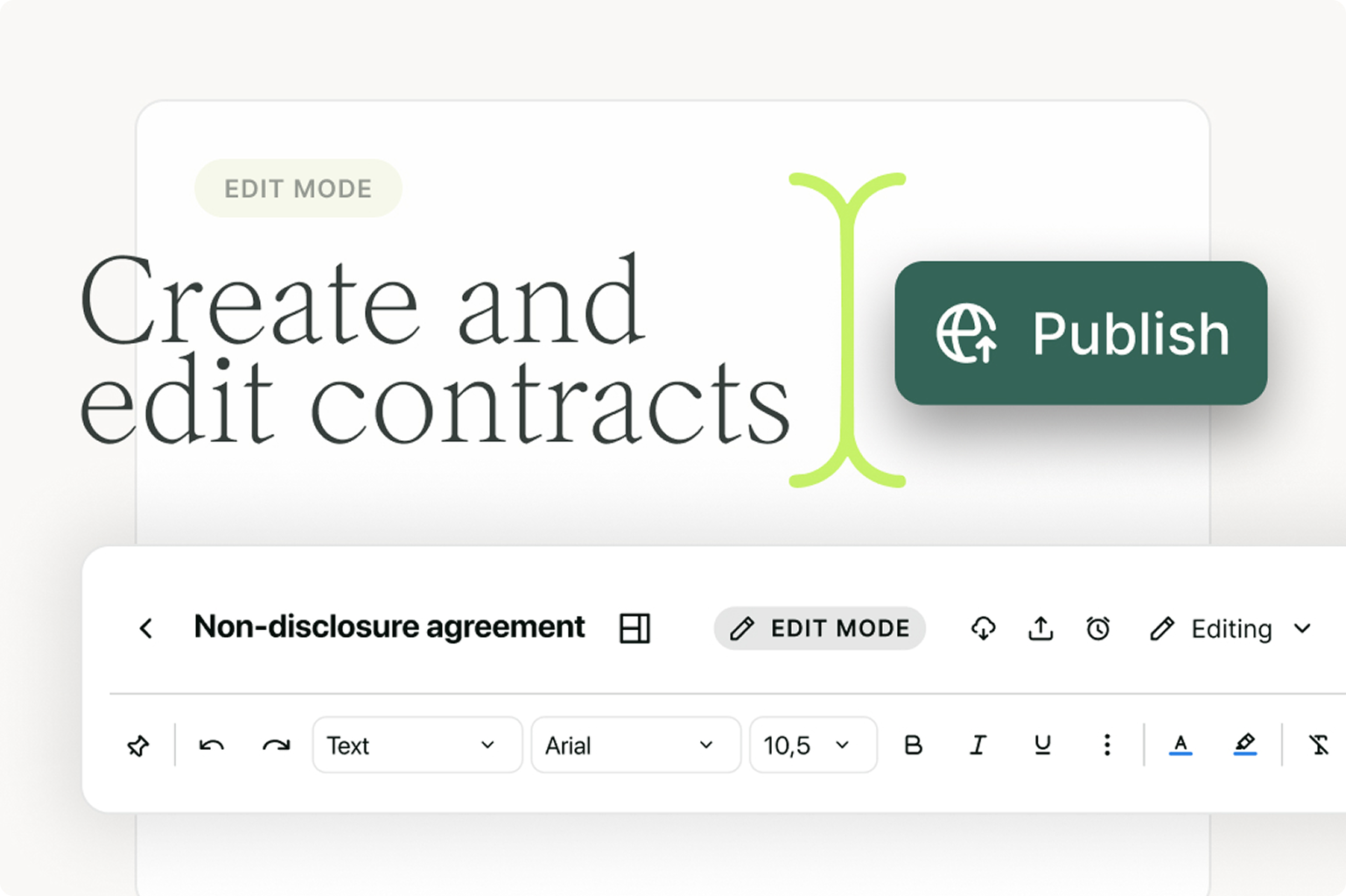
Legal teams can create adaptable mutual lease termination templates in Juro's user-friendly rich-text editor, ensuring consistency and accuracy.
Instead of drafting separate agreements for different scenarios, Juro allows users to automatically insert specific clauses based on the conditions of the lease termination.
For property managers handling multiple properties or large complexes, Juro's mass action capabilities allow for the swift creation, auto-filling, and dispatch of mutual lease termination agreements for e-signature.
With Juro's intuitive eSignature feature, landlords and tenants can promptly sign mutual lease termination agreements, ensuring a smooth and timely process.
Mutual lease termination agreements can sometimes raise questions or concerns. Juro's in-browser negotiation tools let parties review the document directly, facilitating clear communication and understanding.
Juro simplifies the entire contract workflow, enabling businesses to automate up to 75% of contract admin and agree contracts up to ten times faster.
If creating and managing mutual lease termination agreements causes you headaches, click the button below to find out how Juro can help you today.
A mutual lease termination agreement template is a ready-made contract that a landlord and tenant can adapt when they both agree to end a lease before it expires. It records the date the lease ends and any money that changes hands, and releases both sides from their obligations after that date.
Usually, yes, once both parties sign it, as long as it meets the normal requirements for a contract where the property is. Some leases say any change must be in writing and signed, so a written agreement also keeps you within the terms of the original lease.
You can, and a spoken agreement may be valid in some places, but it's hard to prove later. Without a signed agreement, a landlord could still claim rent for the rest of the term, or a tenant could dispute deductions from the deposit. A one-page agreement that records the end date and what happens to the deposit settles both questions.
A notice is a one-sided step that the lease or local law allows, such as giving notice at the end of a periodic tenancy or after a serious breach. A mutual termination agreement ends the lease on a date both sides choose, even partway through a fixed term, and settles the terms of leaving at the same time.
There's no standard figure. The landlord usually weighs how long the property may sit empty against the cost of finding a new tenant, and a tenant can often negotiate a lower fee by helping to find a replacement or leaving the property in good condition. Whatever you agree, write it into the agreement along with what happens to the deposit, so neither side can claim more later.
Then the lease normally continues on its original terms, unless it includes a break clause or one side has legal grounds to end it, such as a serious breach. A tenant who needs to leave may be able to sublet the property or assign the lease instead, but most leases require the landlord's consent for either.
It's a sound starting point, but it works best when you tailor the end date and settlement terms to your situation and check them against the original lease. For specific legal advice on your contract templates, consult an attorney.
Build the template in Juro once and generate each termination agreement from it, with your property team adding the lease details and agreed settlement for each tenant. When your standard position changes, for example on deposit deductions, you update that one template and every new agreement follows it. Signed agreements sit alongside the original leases, so you can search them for end dates and settlement amounts.
Yes. In Juro, Operator drafts a new template from the leases and termination agreements you already use, learning your drafting style and the positions you usually take on terms like deposits and early exit fees. Your legal team approves the first draft before anyone uses it, so the template reflects your risk appetite.
Answer
Juro is the #1-rated contract platform for speed of implementation — connect your CRM, automate templates, and close deals without the paperwork.
Book a personalised demo

Hello. We are Juro Online Limited (known by humans as Juro). Here's a summary of how we protect your data and respect your privacy.