

.svg)

.svg)
.svg)

🇺🇸 22 Boston Wharf Rd, Boston, MA 02210
🇬🇧 2 Pear Tree Court, London EC1R 0DS
© 2026, Juro. All rights reserved.


🇺🇸 22 Boston Wharf Rd, Boston, MA 02210
🇬🇧 2 Pear Tree Court, London EC1R 0DS
© 2026, Juro. All rights reserved.

Use this customizable podcast agreement template to outline content rights, royalties, and ownership between short and long-term podcast partners.



"It takes the sales team four clicks to generate and approve a contract in Juro. We're saving 25 minutes per contract."
Read Paddle's customer story >
.avif)
Chris McFalls,
Rev Ops
"With Juro, approvals take less than two hours, and most contracts are fully signed within a day of being sent"
Read Goldin’s customer story >.png)
.avif)
Kyle Piper,
Contracts Manager
"Everyone works out of Juro - it's the key tool we use to do our job"
Read ANC’s customer story >


Podcasting has become a serious commercial channel. There are over 4 million active podcasts globally, and the medium now sits alongside video, social, and written content as a core part of how brands, media companies, and independent creators reach audiences. With that commercial maturity comes a contracts problem that many podcasters only discover when something goes wrong.
Who owns the recordings if co-hosts fall out? What happens to sponsorship revenue if the show goes on hiatus? Can a guest share the episode they appeared in? These questions have straightforward answers when there's a clear agreement in place, and no good answer at all when there isn't.
A podcast agreement is a contract that governs the rights, responsibilities, and commercial arrangements between the parties involved in producing or distributing a podcast.
That might mean an agreement between co-hosts defining ownership of the show, a guest release allowing the host to publish and distribute a recorded conversation, a sponsorship agreement setting out ad placement and content guidelines, or a production services agreement with an external editor or sound engineer.
The term covers a range of different contract types depending on the relationship being governed. What they have in common is the need to settle, in writing, who owns what and what happens when the relationship changes.
Not all podcast agreements are the same, and using the wrong one for the relationship at hand creates gaps. The most common types are:
When two or more people produce a podcast together, this agreement defines who owns the intellectual property in the show, how revenue is split, what happens if one co-host wants to leave, and who retains the name and back catalogue if the partnership ends. This is the agreement most likely to become important if the show achieves any commercial success, and the one most frequently skipped at the start of a new collaboration.
A short agreement signed by podcast guests before or after recording that grants the host or producer the right to publish, distribute, edit, and repurpose the recording. Without it, the guest retains rights in their contribution and the host may not be able to distribute the episode legally. For podcasts recording at scale, a simple, fast-to-sign release template is a practical necessity.
Governs the commercial relationship between a podcast and a sponsoring brand. It covers ad placement (pre-roll, mid-roll, post-roll), the number of episodes, content guidelines, exclusivity, payment terms, and what happens if the sponsor wants to pull out early. See Juro's sponsorship agreement template for a starting point.
When outsourcing editing, sound design, show notes, or other production tasks to a freelancer or agency, this agreement defines the scope of work, deliverables, deadlines, fees, and, importantly, who owns the output. A production services agreement that doesn't address IP ownership creates uncertainty about whether the producer retains any rights in the edited recordings.
When a podcast network or platform takes on distribution rights, this agreement sets out where the show will be available, on what terms, whether the distribution is exclusive, and how revenue from the platform is shared. For independent podcasters signing with a network, this is often the highest-stakes agreement they will encounter.

The specific provisions will vary by agreement type, but most podcast agreements need to address:
The majority of podcast disputes involve co-created shows where the ownership and exit terms were never documented. Starting a show without a co-host agreement is common, especially when the relationship begins informally between friends or colleagues.
The time to agree on ownership, revenue splits, and what happens if someone leaves is before the show has any commercial value, not after.
Many podcasters skip guest releases for well-known guests or assume verbal consent is sufficient. It isn't. A guest who later objects to how an episode was edited, clipped, or repurposed has leverage without a signed release.
A simple, short release template that can be signed before or immediately after recording is a low-effort fix for a real risk.
Sponsors who provide loose guidelines ("keep it on brand") and hosts who interpret those guidelines differently are a reliable source of post-campaign disputes. Content guidelines should be specific enough to give the host creative freedom while protecting the sponsor from association with content they wouldn't sanction.
Whether a departing network retains distribution rights to historical episodes, whether a sponsorship remains in distributed episodes after the deal ends, and whether a co-host can republish old episodes independently are all questions that need explicit answers in the agreement. Generic termination clauses that say only "obligations end" leave all of these unresolved.
Podcasts frequently use intro music, sound effects, or audio clips. If that content isn't properly licensed, distributing episodes creates copyright exposure. The agreement should address what third-party content will be used and confirm that the responsible party has obtained the necessary licenses.
For independent podcasters and small production companies, a few well-drafted templates covering the common scenarios (guest releases, sponsorship, co-host) will cover most situations. The operational priority is making sure those templates are easy to find, easy to send, and quick to sign.
For brands running branded podcast programs, media companies managing multiple shows, or agencies coordinating podcast production across clients, the volume of agreements and the variety of relationship types creates a more complex management challenge.
Guest releases need to be obtained before episodes publish. Sponsorship agreements need to track episode delivery against payment. Production contracts need IP terms that protect the brand's ownership of content it commissioned.
Podimo, a premium podcast and audiobook platform with over 1,000 exclusive shows, faced exactly this problem as they scaled their content partnerships. Their content teams needed to get podcast agreements to partners quickly, but a fragmented, manual process across multiple tools was slowing them down and creating bottlenecks for legal.
After implementing Juro, Podimo halved the time it took to create and approve contracts. Commercial teams could self-serve on podcast agreements using pre-approved templates without constant legal oversight, and the business gained full visibility into contract status in real time.
As Nick van Heyningen, Senior Legal Counsel at Podimo, put it: "We're no longer bouncing between several different systems, filing contracts manually, or getting blocked by individual backlogs."
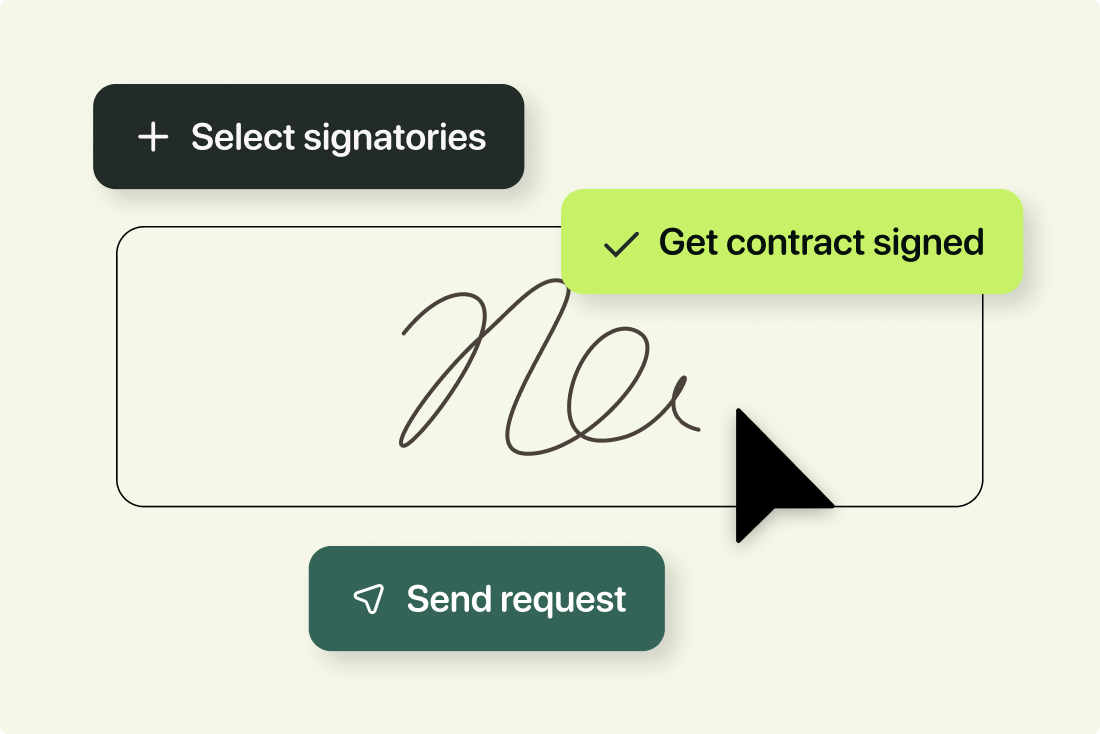
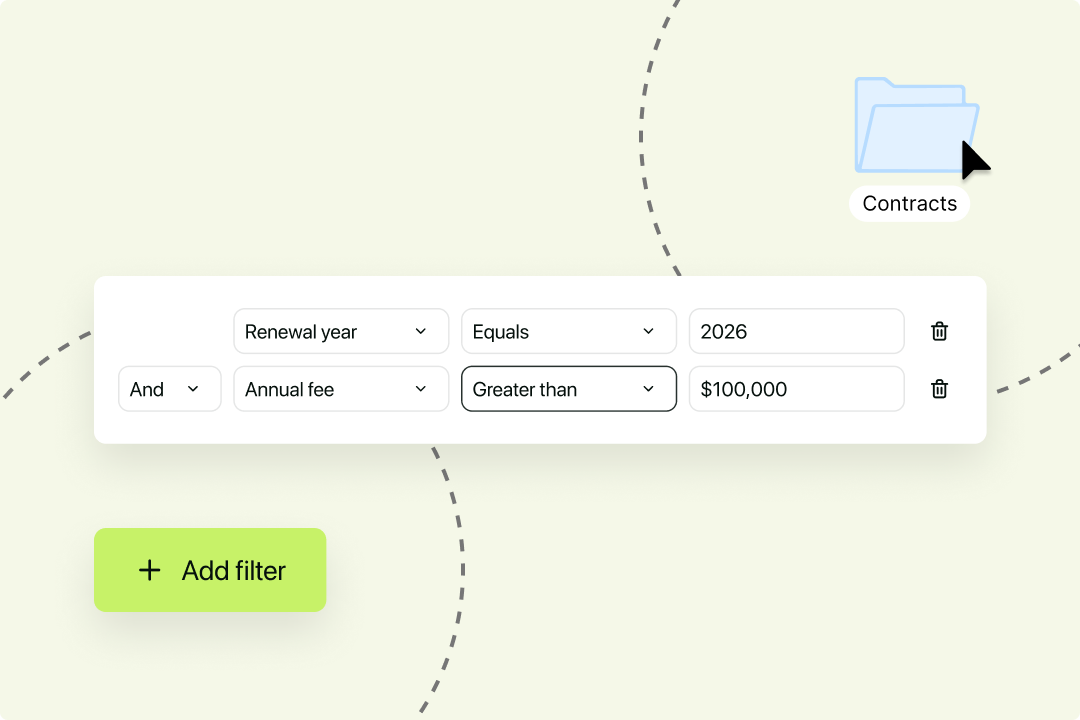
Juro lets teams build podcast agreement templates for each relationship type, with the right clauses built in and the key data fields structured from creation. Guest releases can be generated and sent in minutes. Sponsorship terms, episode counts, and payment schedules are stored as searchable data after signature. If a sponsorship dispute arises six months in, the agreed terms are immediately accessible rather than buried in an email chain.
If you're managing podcast relationships at volume, book a demo to see how Juro works for media and content teams, or join the community to hear how other teams handle creator and content agreements.
A podcast agreement template is a ready-made contract that a podcaster or production company can adapt for the deals behind a show. It records who owns the show and its recordings, and what each party can do with the content once it’s published.
Usually, yes. Most podcast disputes start between co-hosts who never agreed who owns the name and the back catalogue, and those questions get harder once the show earns money. A short agreement signed before the first episode is far easier than negotiating an exit later.
Usually not, because each relationship needs different terms. Co-hosts need ownership and exit terms, while sponsors need terms on ad reads and payment, so most shows keep a separate sponsorship agreement for brand deals alongside a short release for guests.
Whatever the co-host agreement says, which is why it should name who keeps the show’s name and back catalogue. Without that, a departing co-host may be able to claim a share of the show or block the others from using recordings they contributed to, depending on local law. Common options include a buyout at an agreed valuation or letting the remaining hosts keep the show in return for a share of past revenue.
It’s a sound starting point, but it works best when you adapt it to the specific relationship, such as a co-host deal or a network deal, and remove clauses that don’t apply. Pay particular attention to the ownership and exit terms, because they matter most if the show grows. For specific legal advice on your contract templates, consult an attorney.
Build a template in Juro for each type of podcast deal and let your content team generate agreements from them, filling in the show and the partner’s details. When a standard term changes, for example how long a sponsor’s ads stay in published episodes, you update the template and every new agreement follows. Signed agreements sit in one place, so you can search them for episode commitments and payment dates.
Yes. Give Operator in Juro your existing podcast contracts and it drafts a new template from them, matching your drafting style and the positions you usually take on terms like content ownership and exclusivity. Your legal team approves the first draft before it’s used, so the template reflects your risk appetite.
Answer
Juro is the #1-rated contract platform for speed of implementation — connect your CRM, automate templates, and close deals without the paperwork.
Book a personalised demo

Hello. We are Juro Online Limited (known by humans as Juro). Here's a summary of how we protect your data and respect your privacy.