

.svg)

.svg)
.svg)

🇺🇸 22 Boston Wharf Rd, Boston, MA 02210
🇬🇧 2 Pear Tree Court, London EC1R 0DS
© 2026, Juro. All rights reserved.


🇺🇸 22 Boston Wharf Rd, Boston, MA 02210
🇬🇧 2 Pear Tree Court, London EC1R 0DS
© 2026, Juro. All rights reserved.

Download a free reseller agreement template and learn what to include, what to watch out for, and how to manage reseller contracts at scale.



"It takes the sales team four clicks to generate and approve a contract in Juro. We're saving 25 minutes per contract."
Read Paddle's customer story >
.avif)
Chris McFalls,
Rev Ops
"With Juro, approvals take less than two hours, and most contracts are fully signed within a day of being sent"
Read Goldin’s customer story >.png)
.avif)
Kyle Piper,
Contracts Manager
"Everyone works out of Juro - it's the key tool we use to do our job"
Read ANC’s customer story >


A reseller agreement sets out the terms under which one party sells another's products or services to end customers. Get the terms right upfront, and you create a repeatable foundation for a long commercial relationship. Get them wrong, and you'll be renegotiating them under pressure when a dispute has already started.
This free reseller agreement template gives you a solid starting point. The rest of this guide covers what the agreement should include, the clauses that tend to cause the most friction, what to watch for when you're reviewing a counterparty's draft, and how teams managing reseller agreements at scale can do it more efficiently.
A reseller agreement is a contract between a supplier and a reseller that governs the reseller's right to sell the supplier's products or services to third parties. It differs from a straightforward sales contract in that it's designed to govern an ongoing commercial relationship rather than a single transaction.
Reseller agreements are common in software and technology, where the reseller model is firmly established. A software vendor might appoint multiple resellers to extend its distribution without building its own sales infrastructure in every market. The reseller, in turn, earns margin on the deals it closes and may provide additional services like implementation, support, or training alongside the product itself.
The agreement is typically accompanied by an order form for individual transactions and may reference other documents like a data processing agreement or statement of work. But the reseller agreement itself is the foundational document — the one that defines what the relationship looks like before any deal is done.
It's closely related to a distribution agreement, though there are practical differences in scope, exclusivity, and the degree of control the supplier retains over pricing and end-customer relationships. If you're unsure which structure suits your arrangement, it's worth taking qualified legal advice before committing to either form.

The specifics will vary depending on your industry, the nature of the product, and whether the arrangement is exclusive, but most reseller agreements will need to address the following:
What exactly is the reseller authorized to sell, and in which territories? Whether the appointment is exclusive or non-exclusive matters a great deal to both sides and should be explicit.
An exclusive arrangement limits the supplier's ability to appoint other resellers or sell direct in the same territory, so it typically comes with minimum revenue commitments or performance targets.
How the reseller is compensated varies significantly across different reseller models. Some agreements set a wholesale price with the reseller free to determine its own margin; others fix the resale price.
The agreement should be clear on payment timelines, invoicing requirements, and what happens if payments are late. Check out our guide to contract payment terms for more guidance.
The supplier's IP, including trademarks, product names, and software, doesn't transfer to the reseller just because they're authorized to sell it.
The agreement should define how the reseller is permitted to use the supplier's brand and materials, and under what circumstances that permission can be withdrawn.
How long does the appointment last, and what triggers termination?
Both parties usually want the right to terminate for cause: a material breach, insolvency, or regulatory breach by the other party. Suppliers often also want a right to terminate for convenience, which resellers may resist if they've invested in building a customer base around the product.
For a more thorough breakdown of these topics, check out the following guides:
If the supplier is granting exclusivity, they'll almost always want minimum purchase or revenue commitments in return.
These should be defined precisely, along with the consequences of missing them, whether that's a loss of exclusivity, step-down pricing, or termination rights.
If the reseller handles personal data in the course of selling or supporting the product, the agreement needs to address how that data is processed and who bears responsibility for compliance. A separate DPA is common where data flows are complex.
Both parties will share commercially sensitive information, including pricing, customer lists, roadmaps, and sales strategies. A confidentiality clause should define what's protected and for how long, including obligations that survive termination.
The agreement should specify which jurisdiction's laws govern it and how disputes will be handled. For cross-border arrangements, this is particularly important and worth getting right before the agreement is signed.
Leaving exclusivity undefined or ambiguous. "Exclusive" means different things depending on whether it applies to a territory, a customer segment, a channel, or the product line as a whole. Contractual ambiguity here is a reliable source of disputes. Define it precisely, including any carve-outs for direct sales to named accounts.
Not linking performance to exclusivity. Granting exclusivity without minimum commitments gives the reseller little incentive to invest in selling the product, while locking the supplier out of the market. If exclusivity is on the table, it should come with measurable obligations and clear remedies if those obligations aren't met.
Inadequate IP protections. Resellers routinely use supplier branding, marketing materials, and product documentation. Without clear guidelines on permitted use, and explicit statements that the supplier retains ownership, you create avoidable risk around brand misuse and unauthorized adaptations.
Vague termination provisions. A termination clause that simply says "either party may terminate on 30 days' notice" without addressing what happens to outstanding orders, customer commitments, or inventory creates transition problems. Think through the wind-down before you sign, not during it.
Overlooking sub-reseller arrangements. Many resellers want the ability to appoint distributors or sub-resellers of their own. If the agreement is silent on this, disputes about whether they can will arise. Be explicit about whether sub-reselling is permitted, and if so, what obligations flow down.
Not addressing the end-customer relationship. In many reseller models, the supplier has no direct relationship with the end customer. The agreement should clarify who owns that relationship, whether the supplier can contact customers directly, and what happens to those relationships if the reseller agreement is terminated.
If you're the reseller reviewing a supplier's draft, a few areas deserve particular attention.
Many supplier-drafted agreements include automatic renewal on the same terms unless notice is given within a specified window.
If you've grown the business significantly on their behalf, you want to be able to renegotiate before you're locked in for another term. Check notice periods carefully.
Suppliers sometimes reserve the right to change wholesale pricing on relatively short notice. Depending on your own customer commitments, this could be difficult to absorb. Look for provisions that give you adequate notice and, ideally, the right to terminate without penalty if pricing changes materially.
Suppliers frequently include the right to audit the reseller's records to verify sales figures and compliance with minimum commitments. Broad audit rights exercised frequently are commercially disruptive. Consider negotiating limits on frequency, notice periods, and who bears the cost.
Who bears responsibility if a customer makes a claim arising from the product? In a well-balanced agreement, the supplier indemnifies the reseller against claims arising from defects in the product itself, while the reseller takes responsibility for claims arising from its own actions or representations.
Check whether the indemnity structure in the draft reflects this allocation. For more on how these provisions work in practice, Juro's guide to contract review is a useful reference.
Some supplier agreements prevent the reseller from selling competing products. These can be commercially significant depending on your portfolio. Assess their scope and duration carefully, particularly if you're a multi-vendor reseller.
Reseller agreements aren't one-off documents. For businesses that rely on channel partnerships for distribution, they're a recurring contract type that sales teams issue regularly, often against the clock.
The typical manual workflow introduces problems that compound as volume increases...
Version control breaks down. Legal becomes a bottleneck. Executed copies get lost. Post-signature obligations go unmonitored. The pattern is consistent enough that it shows up across very different industries.

Goldin, a US-based auction marketplace that agrees contracts with tens of thousands of sellers each year, found that before implementing Juro, sales reps were manually copying deal information from Salesforce into each contract, around ten agreements per rep per day.
"Manually entering all of the information for each and every contract was painful for the sales team, particularly at the scale these were being agreed," says Chris McFalls, who leads business and revenue operations at Goldin.
After moving to Juro, the company now saves over 3,000 hours on contracting annually across more than 20,000 contracts. You can read the full Goldin case study for more detail.
The problems Goldin faced aren't unique to auction marketplaces. They're the same ones legal and commercial teams encounter with any high-volume commercial contract type, including reseller agreements. Teams managing these at scale typically need three things.
A single, version-controlled template that legal owns and the commercial team can generate from without involving legal for every deal.
Juro's automated contract templates support conditional logic, which means different clauses can appear depending on whether the arrangement is exclusive, cross-border, or involves sub-reselling, without requiring the sales rep to make those decisions manually.
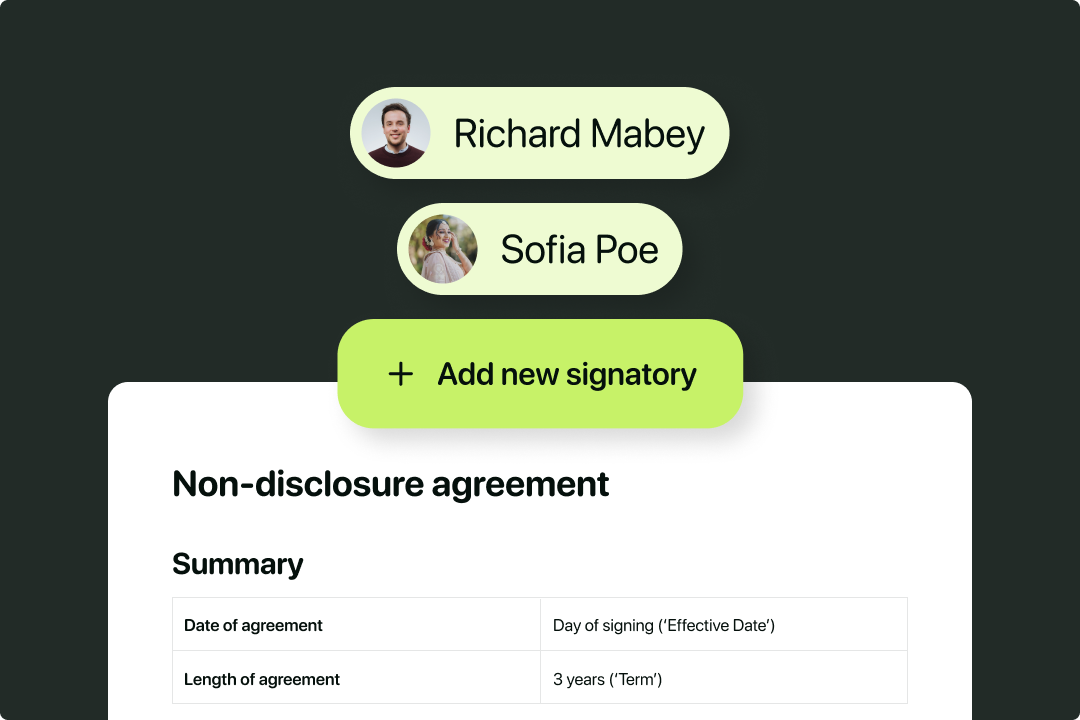
A negotiation workflow that keeps everything in one place. When the counterparty wants to propose changes, moving into email or Word creates version fragmentation and breaks the audit trail.
Juro's browser-native redlining and comment threads let both sides negotiate in the same document. For more on how contract negotiation works in Juro, the learn hub has a full breakdown.
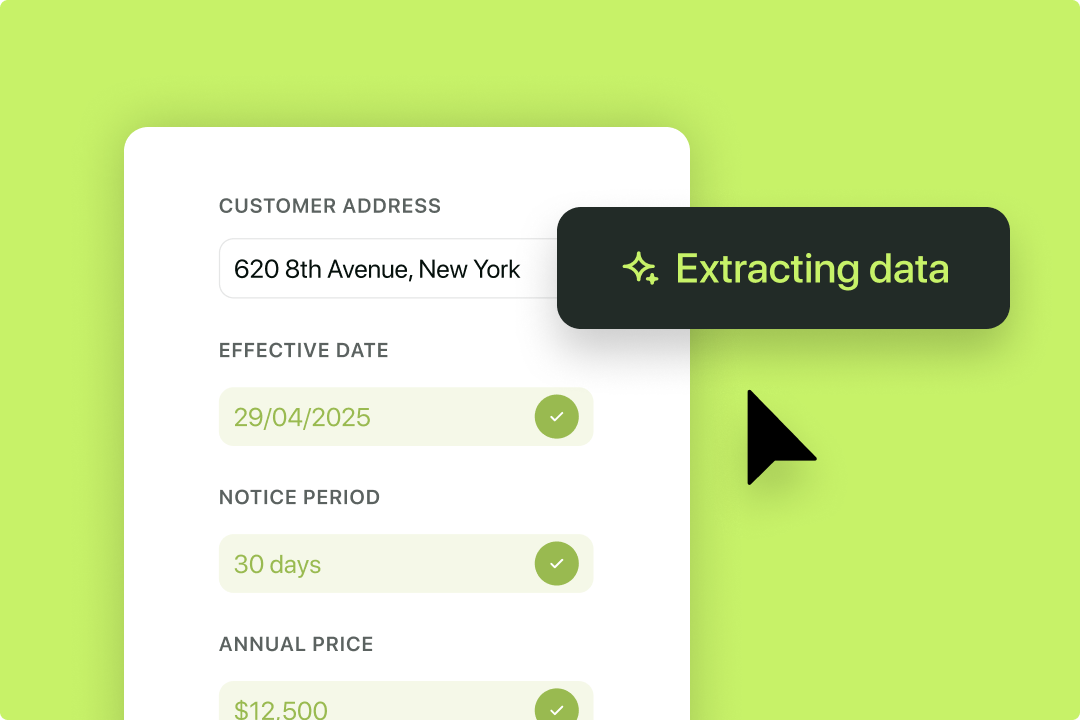
Structured post-signature data. Minimum commitments, renewal dates, notice periods: these are the terms that matter after signing.
Storing agreements as searchable, structured data rather than static PDFs means legal and commercial teams can surface this information without manually reviewing every executed contract. Juro's intelligent repository makes this possible without manual tagging.
If you're managing reseller contracts across multiple territories and partners, book a demo to see how this works in practice, or join the Juro community to hear how other legal and commercial teams are approaching the same challenges.
A reseller agreement template is a ready-made contract that a supplier can adapt each time it appoints a new reseller. It records what the reseller can sell and where, how the reseller gets paid, how the supplier's brand can be used and how either side can end the relationship.
Usually, yes. Without one, it's unclear whether you can use the supplier's brand and who answers to the customer if the product fails. A short agreement also fixes the price you pay, so the supplier can't change it after you've quoted the customer.
A distribution agreement usually covers a partner that buys stock from the supplier and handles logistics and marketing across a whole territory. A reseller normally sells to end customers directly, and the supplier tends to keep more control over pricing and the customer relationship.
Define exactly what the exclusivity covers, whether that's a territory, a customer segment, a sales channel or a product line, and list any accounts you'll keep selling to directly. Tie it to minimum revenue or purchase commitments, and say what happens if the reseller misses them, such as losing exclusivity or facing termination.
It depends on the agreement, and a contract that says nothing on the point often leads to a dispute. State clearly whether sub-reselling is allowed and, if it is, which obligations pass down, such as confidentiality and how the supplier's brand can be used.
It's a sound starting point, but you'll need to tailor the territory and pricing model to each reseller, and remove clauses such as exclusivity if they don't apply. For specific legal advice on your contract templates, consult an attorney.
Set up the reseller agreement once as a template in Juro, then let your partnerships or sales team generate each new agreement from it by filling in the partner's details and territory. If your position on exclusivity or payment terms changes, you edit the one template and every new agreement picks up the change. Signed agreements are stored together, so you can search them for minimum commitments and renewal dates.
Yes. Juro's AI drafting feature, Operator, can build a new reseller agreement template from what it learns in your existing contracts, including your drafting style and the positions you normally take on terms like liability and exclusivity. Your legal team reviews and approves the draft before the sales team uses it, so it reflects your risk appetite from the first deal.
Answer
Juro is the #1-rated contract platform for speed of implementation — connect your CRM, automate templates, and close deals without the paperwork.
Book a personalised demo

Hello. We are Juro Online Limited (known by humans as Juro). Here's a summary of how we protect your data and respect your privacy.